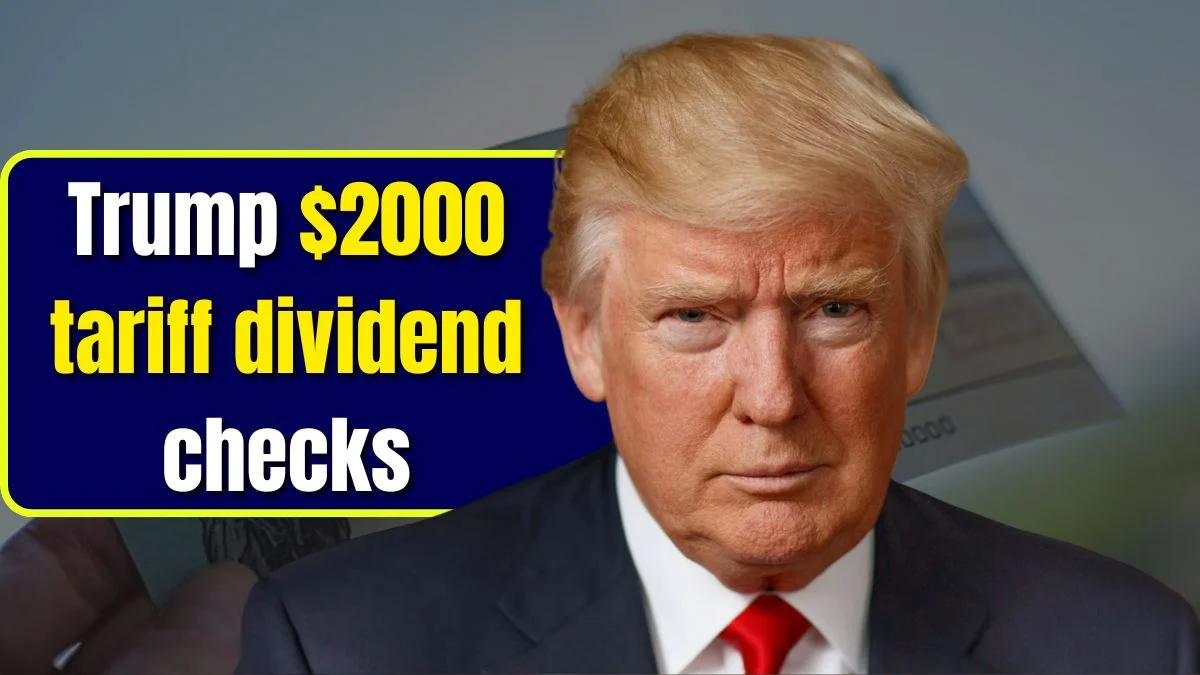
In 2026 there is renewed attention on Trumps 2000 Tariff Dividend Checks as lawmakers and markets react to trade and budget moves. This article explains the current status, how the checks would work, who could get them, and practical steps households can take.
What are Trumps 2000 Tariff Dividend Checks
Trumps 2000 tariff dividend checks refer to proposed one-time payments of 2000 to eligible Americans tied to tariff revenue or trade policy changes. The idea is to return a portion of tariff income to households as a cash payment to offset higher costs caused by tariffs.
Latest update for 2026 on Trumps 2000 Tariff Dividend Checks
As of early 2026 the proposal is not an active federal program with automated payments to the public. Congress, federal agencies, and the White House have discussed versions, but no final law has created nationwide 2000 checks yet.
What to watch now are public statements, draft bills, and any inclusion in budget reconciliations. These steps determine timing and whether checks would be one-time or recurring.
Status in Congress
Several lawmakers have floated bills that would direct tariff receipts to an individual payment program. Committees must pass those bills and the full House and Senate must approve funding before payments can start.
Track bill numbers, committee hearings, and joint statements from leadership to follow progress closely. Procedural steps often take months and can change amounts or eligibility rules.
Executive actions and agency roles
The administration could use executive authority to change tariffs or direct agencies on distribution frameworks, but major direct payments typically need congressional appropriation. Agencies like Treasury would lead design and distribution if authorized.
Expect Treasury and IRS involvement for payment processing, verification, and tax reporting if a program is enacted. Implementation timelines depend on technical readiness and legal review.
How the tariff dividend checks would work
Design proposals generally include a formula linking total tariff revenue to per-person payments. The mechanism aims to collect tariff receipts and divide a set pool by the number of eligible recipients to calculate each check.
- Funding source: tariff revenue or a specified appropriation.
- Payment amount: target of 2000 per eligible person in proposed plans.
- Distribution channel: IRS direct deposit or mailed check based on tax records.
Eligibility rules commonly proposed
Eligibility variants include adult citizens, heads of households, or income thresholds to prioritize lower-income families. Some drafts exclude high-income earners or nonresident aliens to focus benefits.
Proposals also consider claiming dependents or a household cap to keep fiscal costs predictable. Check eligibility details in any enacted law for exact rules.
Potential economic impact of Trumps 2000 tariff dividend checks
One-time checks could provide short-term consumer spending boosts, especially in lower-income households that are more likely to spend extra cash. This may support retail and services sectors over a few months after payments land.
However, the checks could have tradeoffs such as added federal spending pressure and complex interactions with tariff-driven price changes. Economists debate whether a dividend offsets consumer price rises caused by tariffs in the long run.
How to prepare if the 2000 checks arrive
Households can take a few practical steps to be ready for possible payments in 2026. Ensuring up-to-date IRS records and direct deposit information speeds delivery and reduces mailing delays.
- Confirm your tax filing status and mailing address with the IRS.
- Set up or verify direct deposit details to avoid lost checks.
- Create a simple plan for the funds: emergency savings, bills, or targeted purchases.
Practical examples
Example: A family in Ohio could receive one 2000 payment to cover a month of groceries and a utility bill, easing short-term budget pressure. Using the payment to rebuild a small emergency fund provides longer-term stability.
Example: A small retailer could see a traffic bump if local consumers spend a portion of the checks on discretionary goods. The effect varies by region and household needs.
Case study: One household scenario
Case study: Maria, a single parent in Phoenix, budgets tightly and uses public transit. If she receives 2000 she plans to pay overdue utility bills and put 500 into an emergency fund. This sequence reduces immediate financial stress and creates a small buffer against future shocks.
The case shows how a targeted one-time payment can improve short-term liquidity for vulnerable households. Local cost pressures and personal debt levels will shape real outcomes.
Tariff revenue for the federal government varies year to year and can be affected by trade volumes and tariff rates. Using tariff proceeds for direct payments requires explicit authorization by law.
Key takeaways on Trumps 2000 Tariff Dividend Checks
- No nationwide 2000 tariff dividend checks are active as of early 2026 without enacted law.
- Watch congressional action, Treasury announcements, and IRS guidance for real implementation details.
- Prepare by keeping tax records current and planning how you would use a one-time payment.
Stay informed by following reliable news sources, official Treasury and IRS releases, and your elected representatives for updates. A measured, practical approach helps households respond quickly if the program becomes law.